

The Unraveling Thread
We have all experienced it. You purchase a bag that looks perfect on the shelf—slick, shiny, and seemingly sturdy. But three months into your daily commute, the reality sets in. The strap begins to fray at the edges. A zipper tooth misaligns. The lining, made of a paper-thin synthetic, tears under the weight of your keys. It is the frustrating cycle of "fast fashion": products designed to look good for a moment, but not built to last a lifetime.
At The F.A.R. Store, we challenge this cycle. When you pick up one of our pieces, the first thing you notice is not just the vibrant print, but the weight of the fabric and the resilience of the stitch. There is a misconception that handcrafted bags are delicate items meant only for special occasions. The truth is quite the opposite.
We believe that the human hand is the ultimate quality control tool. A machine moves blindly, but an artisan moves with intent. This difference is why a bag made slowly, with purpose, will often outlive its mass-produced counterpart by years.
The Material Difference: Natural Strength vs. Synthetic Shortcuts
The longevity of any accessory begins with the raw material. In the world of mass manufacturing, cost-cutting is the priority. This often leads to the use of "bonded" leathers or low-grade synthetic polymers that peel and crack in the Indian heat.
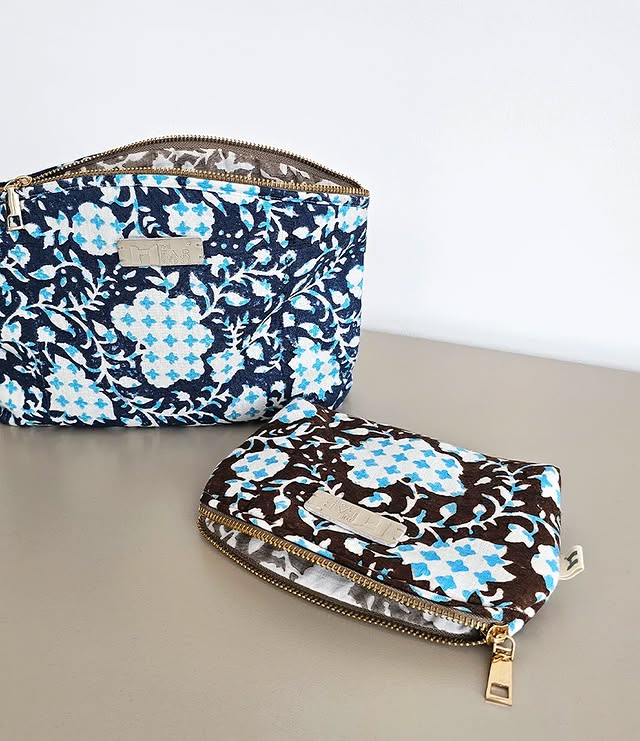
Our approach is different. We prioritize handmade fabric bags constructed from premium-grade cotton and canvas. Why cotton? Because it is a fiber that breathes and endures. Unlike plastic-based materials that become brittle over time, natural cotton fibers have a tensile strength that withstands the rigors of daily use—be it a crowded Metro ride or a heavy load of groceries.
Furthermore, the integrity of the fabric is preserved during our design process. Techniques like Batik and Hand Block printing do not just sit on the surface; the dyes permeate the fiber. This means the beauty of the bag doesn't peel away; it ages gracefully, softening like a favorite pair of jeans without losing its structural integrity.
The Human Eye: The Ultimate Quality Check
In a factory churning out thousands of units an hour, a missed stitch or a weak seam is a statistical error—a "write-off." In the creation of handcrafted bags, such errors are impossible to ignore because the maker is intimately connected to the product.
At The F.A.R. Store, every tote, sleeve, and pouch passes through human hands at every stage:
-
Cutting: Fabric is cut to maximize strength, paying attention to the grain of the cloth to prevent warping.
-
Stitching: Our artisans reinforce stress points—like the corners of a laptop sleeve or the handle attachment of a tote—ensuring they can bear weight without snapping.
-
Finishing: A loose thread is not snipped by a machine blade; it is tied off and secured by a person who cares about the finished look.
This attention to detail ensures that the "weak links" common in factory bags simply do not exist in ours. You are not just buying a bag; you are buying the result of hundreds of micro-decisions made by a skilled craftsman to ensure quality.
Slow Fashion Accessories: An Investment, Not an Expense
There is a growing movement towards slow fashion accessories, and for good reason. It is an economic decision as much as an ethical one.
Consider the "Cost Per Wear" (CPW) of your purchase. A cheaper, factory-made bag might save you money initially, but if it needs replacing every six months, the cost accumulates. A robust, handcrafted bag from The F.A.R. Store is a one-time investment.
Our bags are designed to be low-maintenance companions. Because they are made of quality fabric, many of our pieces are washable. If your tote gets dirty, you don't throw it away—you wash it. This renewability is a key feature of our durability. It extends the lifecycle of the product significantly, proving that true luxury is the ability to use something fearlessly, knowing it can handle the wear.
The Myth of "Delicate" Craftsmanship
A frequent question raised by our patrons is whether the traditional art of block printing can truly withstand the rigors of daily use.
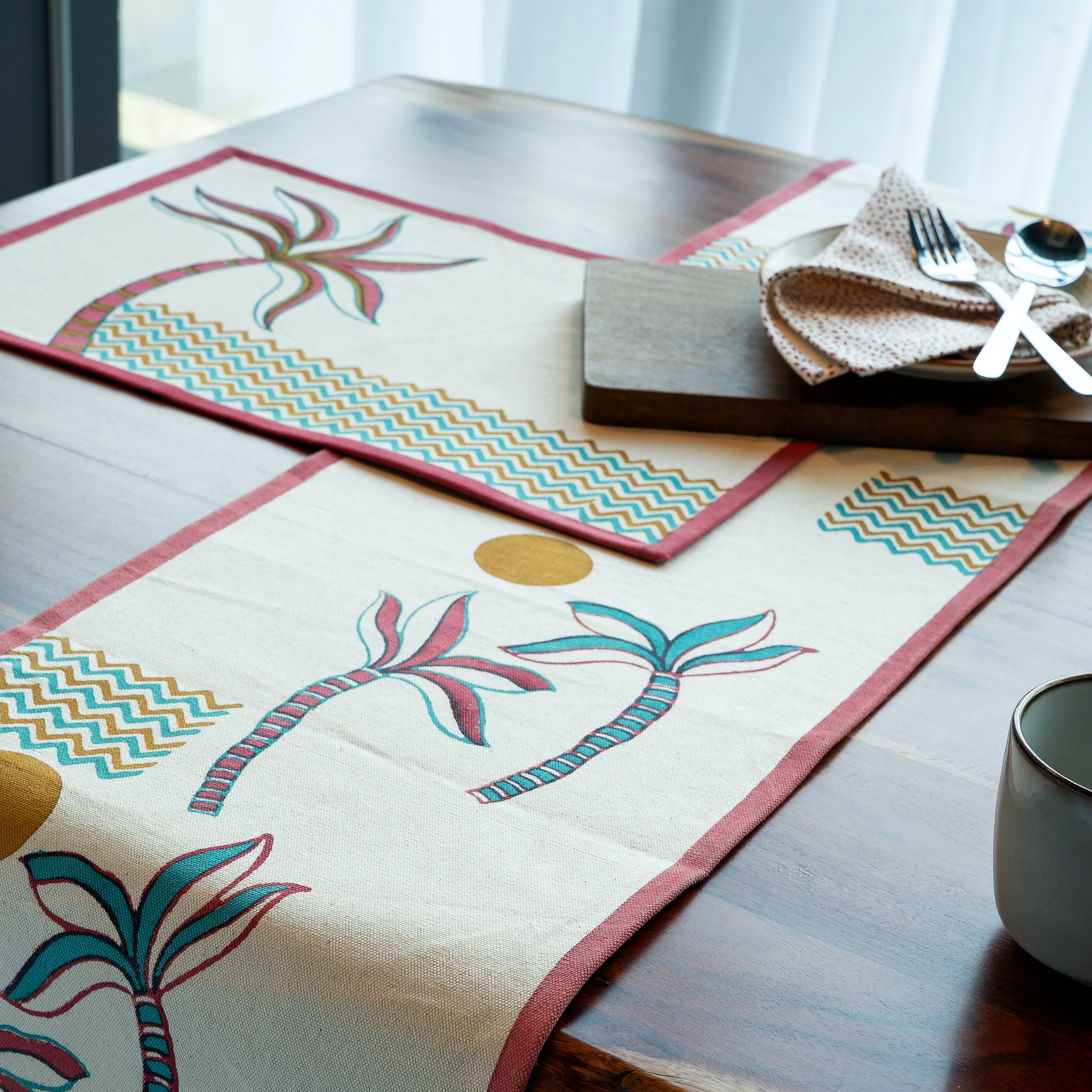
Let us put that myth to rest. The techniques we champion—Gond art, Batik, and block printing—have survived for centuries. They were originally used to create textiles for daily life, not just for display. These are art forms born from the soil, designed to be worn, washed, and worn again.
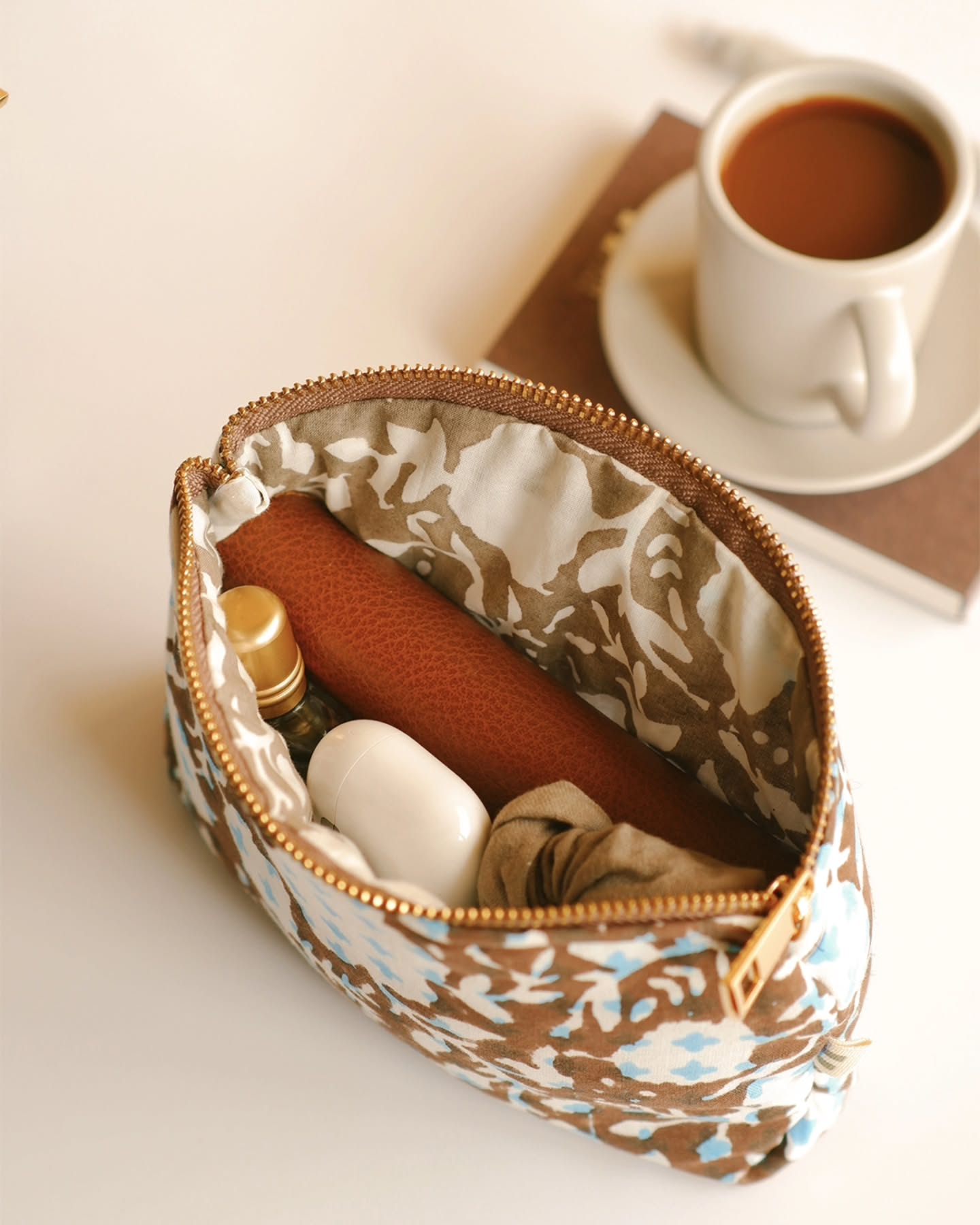
When we adapt these arts for The F.A.R. Store, we combine them with modern utility. We add sturdy zippers, padded linings for tech protection, and reinforced handles. The result is a fusion of heritage beauty and industrial strength. You get the soul of a museum piece with the grit of a daily workhorse.
Conclusion: Choose Longevity
In a world that is constantly racing towards the "new," there is a quiet power in choosing something that stays.
When you choose a bag from The F.A.R. Store, you are opting out of the disposable culture. You are choosing a product where the fabric was chosen for strength, the stitch was placed for support, and the design was crafted to endure.
We welcome you to browse our current selection and personally experience the superior texture and durability of our craftsmanship. Whether it is a structured tote for your office or a travel pouch for your next adventure, choose the bag that is built to journey with you for the long haul.
Discover the enduring quality of handcrafted design at The F.A.R. Store today